Innovative Architect Designs: Reshaping Spaces With Vision
Innovative architectural designs are reshaping urban landscapes with a focus on functionality and sustainability. Architects are integrating smart technologies and eco-friendly materials to develop flexible environments. These designs emphasize community engagement, fostering human connection through communal spaces and regional cultural features. This evolution raises questions about the future of urban living and the role of architecture in improving individual well-being. What implications do these advancements have for society as a whole?
Architects Contributing to Contemporary Design
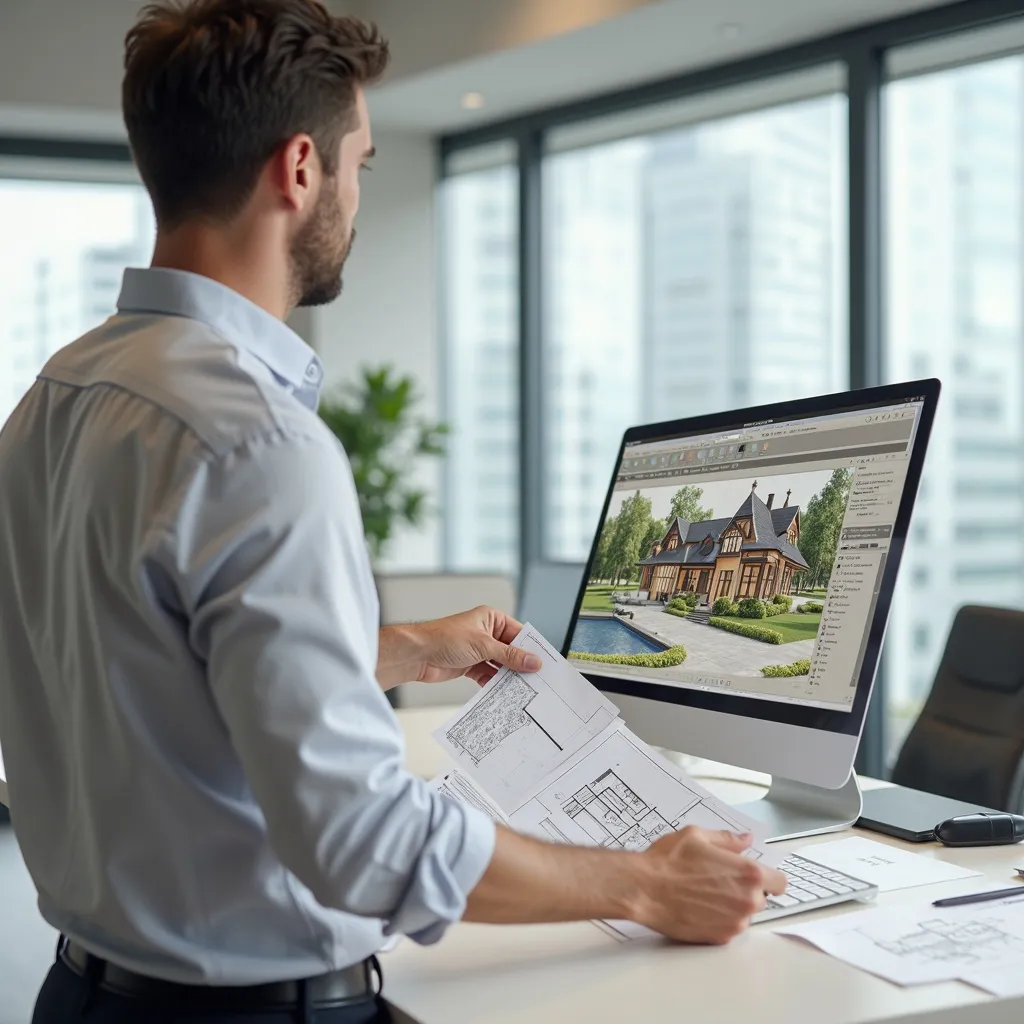
Architects design the built environment, transforming abstract ideas into tangible structures that reflect contemporary needs and values. Their role goes beyond mere aesthetics; they integrate functionality, safety, and sustainability into their designs. By analyzing societal trends and innovations, architects create spaces that foster community engagement and improve user experience. They collaborate with engineers, urban planners, and clients, ensuring that each project satisfies specific requirements while adhering to regulatory standards.
Modern design requires professionals to balance creativity with real-world application, frequently examining innovative forms and materials that push boundaries. Their work confronts diverse challenges, ranging from metropolitan crowding to sustainability issues, through constructing versatile settings that adjust to shifting living patterns. Acting as supporters for both clients and the ecosystem, architects play a pivotal role in shaping the future of urban landscapes, making certain that structures serve immediate purposes and endure as valuable assets for generations to come.
Sustainable Materials in Construction Architecture
Sustainable materials serve as an essential role in modern architectural design, influencing both visual appeal and functionality. By incorporating environmentally conscious options and employing reclaimed materials, architects can significantly minimize ecological footprint. Creative green initiatives additionally enhance these endeavors, opening the door for a more accountable approach to construction.
Sustainable Substance Options
While traditional building materials often contribute to ecological harm, forward-thinking designers increasingly favor eco-friendly options that reduce ecological impact. These substances, such as bamboo, reclaimed wood, and recycled metals, not only reduce carbon footprints but also enhance building efficiency. Architects are exploring bioplastics and rammed earth, which provide durability alongside environmental responsibility. Natural insulation materials, like sheep's wool and hemp, further improve power efficiency. Such decisions also reflect a commitment to resource conservation, decreasing the demand for virgin materials. By incorporating local materials, architects support regional economies and lower transportation emissions. This movement toward eco-friendly material choices signifies a broader movement within the architectural community, stressing the significance of design that harmonizes with the environment.
Benefits of Reclaimed Products
The usage of reused materials in structure design provides significant advantages that support eco-friendly principles. By employing materials such as reclaimed wood, recycled metal, and repurposed glass, architects can minimize waste and decrease the demand for virgin resources. This method not only safeguards natural materials but also reduces energy consumption tied to manufacturing new products.
Moreover, adopting recycled resources can enhance the aesthetic charm of structures, showcasing unique textures and histories that new materials cannot match. Cost-wise, these materials frequently come at a reduced price, enabling economical construction without diminishing quality. Ultimately, the use of recycled resources builds environmental responsibility while promoting innovative design solutions that connect with sustainable living ideals.
Innovative Sustainability Methods
As architects increasingly focus on eco-friendly outcomes, innovative green methods have surfaced, showcasing substances that not only decrease ecological footprints but also boost design versatility. Biodegradable composites, salvaged timber, and bamboo are at the vanguard, providing aesthetic appeal while minimizing material waste. These materials can be applied in multiple areas, from structural components to finishes, allowing for unique architectural expressions. Additionally, the incorporation of green insulation and low-VOC paints supports better interior air quality. The use of recycled metal and glass further exemplifies how sustainability can blend into modern design, allowing for striking visual elements without jeopardizing ecological responsibility. Collectively, these methods not only revolutionize construction methods but also set a standard for future developments in architectural sustainability.
Smart Innovation in Daily Spaces
Smart technology is progressively establishing itself as a fixture in routine settings, equipping users with advanced convenience and control. Through fluid integration of devices, these systems not only make easier daily tasks while also substantially boost resource conservation. This progression in design shows a pronounced emphasis on operational effectiveness and environmental awareness in modern architecture.
Frictionless Unification of Systems
Transforming everyday spaces, innovative architects are progressively implementing cutting-edge systems to develop seamless integrations of devices. These designs emphasize interconnectivity, facilitating home systems to communicate smoothly. For example, lighting, heating, and security devices can be adjusted through a single interface, boosting user convenience. Architects stress straightforward configurations, guaranteeing that technology supports the aesthetic of the space rather than overtaking it. Voice-activated assistants and smart appliances are thoughtfully arranged to boost functionality while upholding a integrated look. This merger not only enhances usability but also alters the way individuals interact with their environments. As a result, spaces become more flexible, serving the dynamic needs of contemporary living while promoting an atmosphere of relaxation and productivity.
Boosting Energy Optimization
Integrating advanced technology into everyday spaces revolutionizes energy efficiency. Intelligent devices, such as adaptive thermostats and smart lighting, actively measure and control energy usage, greatly diminishing waste. These innovations allow architects to design buildings that function responsively to occupant needs, ensuring ideal comfort while reducing energy consumption.
Adopting sustainable power sources, such as solar panels, optimizes environmental stewardship. Connected grid infrastructure provide continuous energy supervision, empowering homeowners to monitor their energy consumption and adapt their practices. Additionally, low-consumption devices and eco-materials play a role in lessened environmental burden.
As professionals implement these technologies, they create spaces that not only fulfill functional requirements but also promote ecological responsibility. The result is a unified balance of aesthetics and efficiency, altering how individuals interact with their environments.
Why Biophilic Design Is Significant for Our Areas?
Although many may fail to recognize the value of nature-based elements in design, organic architecture serves as a key factor in boosting human wellness within artificial spaces. This strategy blends nature into structural designs, establishing a feeling of attachment to outdoor settings. By introducing components such as sunlight, botanical elements, and eco-friendly substances, biophilic design enhances psychological health and alleviates stress. Investigations demonstrate that interaction with nature can increase focus, creative thinking, and complete productivity.
In addition, biophilic design stimulates a more sustainable direction to architecture, as it emphasizes harmony between built environments and natural ecosystems. This design philosophy not only strengthens visual charm but also supports ecological health by adopting sustainable materials and energy-efficient techniques. Essentially, prioritizing biophilic design establishes locations into healthier, more engaging spaces, benefiting users and the planet alike. As urbanization continues to accelerate, the necessity of biophilic principles in architecture becomes increasingly paramount.
Case Reviews of Modern Construction Plans
As urban landscapes transform, creative building concepts surface, demonstrating the possibilities of sustainable creativity. One significant case study is the Bosco Verticale in Milan, Italy, which is composed of two residential towers adorned with over 9,000 trees and 20,000 plants. This vertical forest not only enhances biodiversity but also improves air quality and lowers energy usage.
One more example is the Cactus Tower in Copenhagen, constructed to resemble a cactus with its jutting balconies that encourage communal interaction. This design promotes social connectivity while supplying unique living spaces.
In Singapore, the Jewel Changi Airport displays a breathtaking interior water feature and verdant landscaping, combining nature with modern technology. This versatile area boosts traveler satisfaction and functions as a leisure destination for the community.
These case studies showcase how innovative architectural designs can harmonize usability with environmental stewardship, reshaping urban spaces into full details dynamic, ecologically conscious areas.
In What Ways Does Community-Based Architecture Elevate Urban Living?
Community-focused design significantly improves urban living by fostering social interaction and inclusivity. This approach prioritizes the needs of communities, promoting the creation of common spaces such as parks, plazas, and community centers. These environments function as essential hubs where residents can gather, collaborate, and engage in recreational activities, thereby reinforcing social bonds.
Additionally, community-based designs often incorporate local cultural elements, mirroring the identity and values of the neighborhood. This cultivates a bond with place and promotes local pride among dwellers. Features such as navigable streets and versatile developments further strengthen accessibility, making urban areas more navigable and accessible.
Moreover, this architectural approach often tackles issues of affordability and sustainability, ensuring that various communities can thrive in city environments. By integrating these elements, community-focused architecture plays a significant role to establishing vibrant, resilient urban environments that enhance the standard of living for all residents.
Upcoming Shifts in Architecture
Rising trends in architecture are increasingly influenced by technological advancements and environmental considerations. The integration of connected systems is transforming architectural planning, facilitating enhanced energy efficiency and better user experiences. Architects are now employing machine learning and AI to enhance layouts, assess environmental impacts, and accelerate construction processes.
Sustainability maintains primary importance, with architects championing eco-friendly materials and renewable energy sources. Biophilic design is catching on, as practitioners weave in biophilic features to support well-being and relationship with the natural world. Additionally, modular and prefabricated construction methods are snowballing, driving streamlined construction timelines and economic viability.
In addition, adaptive reuse is establishing itself as a popular approach, refurbishing old structures into usable environments while honoring cultural heritage. As cities advance, architects are integrating inclusive designs that support diverse populations, ensuring that urban environments are barrier-free and inviting for all. These trends announce a future where architecture aligns technology, sustainability, and community.
Common Inquiries Asked Frequently
In What Ways Do Architects Accomplish Equilibrium Between Inventiveness and Functionality in Their Designs?
Architects integrate creativity and functionality by integrating design vision with practical requirements. They consider user needs, environmental factors, and structural integrity, assuring designs are both visually appealing and usable, fostering harmony between form and purpose.
What Are Typical Obstacles Faced by Creative Architects Today?
Pioneering practitioners routinely face obstacles such as spending limits, regulatory compliance, sustainable material sourcing, and client needs. Striking a balance between artistic vision with pragmatic considerations and environmental concerns further complicates their creative processes in today's progressive architectural landscape.
What Strategies Enable Customers to Effectively Articulate Their Vision to Architects?
Clients can effectively communicate their vision to architects by providing defined purposes, illustrative samples, and elaborate particulars. Engaging in unrestricted dialogue guarantees alignment, fostering a collective workspace that boosts understanding and facilitates the design process.
How Does Cultural Context Impact Architectural Design Choices?
Cultural context substantially impacts architectural design by forming aesthetics, functionality, and symbolism. It guides materials, techniques, and spatial organization, confirming that structures resonate with local traditions, values, and environmental conditions, ultimately improving community identity and relevance.
What methods do architects use to remain informed about emerging styles and technologies?
Architects keep pace with design trends and technologies through perpetual professional development, attending workshops, building relationships at trade shows, subscribing to professional journals, and exploring web-based resources that showcase innovative ideas and emerging practices in architecture.